
While a weekend is never long enough in the Crescent City, sometimes you have to make do. The French settled the area now known as Louisiana in the 1700s, which is one of many influences still prevalent today.
The port became a major player in the slave trade and later gained attention during the landmark Plessy vs. Ferguson Supreme Court case. In 2005, Hurricane Katrina hit New Orleans directly, which permanently changed the city.
New Orleans is separated into a number of neighborhoods, most notably the French Quarter, where most of the city’s tourist attractions are located. There are also hip neighborhoods like the Bywater and Faubourg Marigny as well as Treme, the neighborhood depicted on the hit HBO show.
The city becomes fully booked for events like Jazz Fest, Voodoo Festival, and Mardi Gras, as well as major football games, so book in advance if your visit aligns with these dates.
This post contains affiliate links.
What to Do in New Orleans

Mardi Gras World– For those who don’t want to brave the crowds and chaos of New Orleans’ annual Mardi Gras festivities, Mardi Gras World allows you a firsthand look at what it takes to create the iconic floats. Explore warehouses of past floats, try on costumes, and even see people working on next year’s designs. 1380 Port of New Orleans Place
The National World War II Museum– Named one of the best museums in the United States, the World War II Museum is a place you could easily spend all afternoon. The museum has extensive exhibits on the various points of the war, including a full-length film narrated by Tom Hanks, planes used in battle, and information on the Higgins boat, which was a type of boat used on the beaches of Normandy but created in New Orleans. 945 Magazine Street
Southern Food and Beverage Museum– Learn about the region’s culinary history at this museum. It contains exhibits on each state’s foodways, a section on the history of classic cocktails, and artifacts related to absinthe, which was popular in New Orleans at the turn of the century. The museum also has a great gift shop and a restaurant, which allows you to carry a drink around with you. 1504 Oretha Castle Haley Boulevard

The Cemeteries– A spooky aspect of the city is the above-ground graves used as flood protection. Each one has its own sordid history of scandal, murder, and voodoo. Visit St. Louis Cemetery No. 1 to see the grave of Voodoo Queen Marie Laveau and bring her an offering. St. Louis No. 2 is home to pirate Jean Lafitte, while Lafayette Cemetery, located in the Garden District, was once part of a plantation. You can take a tour that visits the most popular cemeteries.
Bourbon Street– It’s the center of all tourist activity in New Orleans, where the historic buildings meet daiquiri bars serving all day. It’s packed with hotels and even some more adult establishments, so be careful which part you stumble into. Also, watch your wallets as this crowded thoroughfare is a target for pickpockets. Bourbon Street between St. Philip and Canal streets

Ogden Museum of Southern Art– This sprawling museum in the Warehouse District has multiple floors of artwork from around the region. It includes self-taught artists as well as pieces from Louisiana artists. They have special events every Thursday night. 925 Camp Street
Sazerac House– This free museum showcases the official cocktail of New Orleans. It starts with the pharmacies that created bitters and the cocktail, and includes samples along the way. 101 Magazine Street
Preservation Hall– It’s the most famous jazz venue in the city, dating back to 1961. The small space hosts bands every night to packed crowds. Line up early before the shows and be ready with $20 cash. 726 St. Peter
Plantations– New Orleans is the starting point for the River Road, a stretch of road where historic plantations run alongside the Mississippi River. Destrehan Plantation is the closest to the city, under 25 minutes, and can be visited by car or tour.
Where to Eat in New Orleans

Café du Monde– The green and white striped awnings above this Jackson Square cafe, open 24 hours a day, are known for two menu items: chicory cafe au lait and beignets, a fluffy French-style doughnut topped in powdered sugar. 800 Decatur Street, (504) 525-4544
Copper Vine– The building dates to the late 1800s and once housed the long-running Maylie’s Restaurant, but now operates as a wine-forward gastropub with a few rooms above it. The shrimp and grits is a crowd pleaser. 1001 Poydras Street, (504) 208-9535
Juan’s Flying Burrito– This Magazine Street burrito joint had a line out the door when my friend and I arrived, and we soon discovered why. The burritos are large enough to be two meals, but try something unusual like the Al Pastor with pineapple or the Supergreen vegetarian burrito. 2018 Magazine Street, (504) 569-0000
Felix’s Restaurant– While nearby Acme’s may get all the fame, Felix’s is just as good with less hype. The 70-year-old restaurant looks like a diner, but the specialty here is oysters, particularly chargrilled. Other options are po boys and fried alligator bites. 739 Iberville Street, (504) 522-4440


Johnny’s Po-Boys– You’re spoiled for options for po-boys in New Orleans, but Johnny’s are massive and can easily be shared among friends. You can get nearly anything put on it, from standard shrimp or oyster, as well as the more unusual alligator sausage or crawfish, put on a fresh loaf of Leidenheimer French bread. 511 Saint Louis Street, (504) 524-8129
Compère Lapin– Grab a seat at Nina Compton’s restaurant for small plates and entrées that combine Caribbean and New Orleans flavors. Don’t forget cocktails, which are both classic and modern. 535 Tchoupitoulas Street, (504) 599-2119
Plates Restaurant & Bar– Located in the Warehouse District, this neighborhood-style restaurant opened in 2023 with a menu of tapas dishes with Southern flavors. The seared scallops and lamb skewers are two crowd pleasers. 1051 Annunciation Street, (504) 582-9020
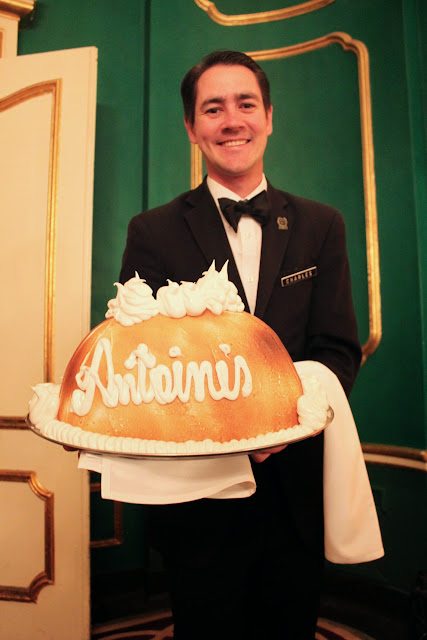
Antoine’s Restaurant– Perhaps no restaurant has quite the legacy as Antoine’s, which has been a French Quarter staple for 175 years, hosting decades of sitting presidents, celebrities, and even the Pope. Be sure to sit in one of the private rooms, which have a history of various Mardi Gras krewes. The food is fantastic, as is the service. Go for lunch for only $20. 713 St. Louis Street, (504) 581 4422
Superior Seafood & Oyster Bar– Head to the Garden District wonderland for seafood, where you can nosh on fresh oysters, barbecue shrimp, and po boys. The interior is as old school as it gets, with furnishings from Paris and New Orleans. 4338 St. Charles Avenue, (504) 293-3474
The Kingsway– The inspiration for the Asian fine dining menu comes from Singapore , itself a melting pot of flavors and cultures. The four-course menu includes crab, brie, and champagne soup, and the Duck Breast à L’Orange. 4201 Magazine Street, (04.506.9272
Where to Stay in New Orleans

Wondering where to stay in New Orleans? Here are a few of our favorites.
Bourbon Orleans Hotel– This historic property owned by the New Orleans Hotel Collection is located in the heart of the French Quarter. Rooms come with coffee makers and televisions. The hotel also has a restaurant and pool. Read our review here. 717 Orleans Street
Four Seasons New Orleans– The luxury hotel has sprawling guest rooms with floor-to-ceiling windows overlooking the river and city below. Rooms include coffee makers, minibars, and soaking tubs, plus luxury toiletries and bathrobes. 2 Canal Street
NOPSI Hotel– Originally built in 1927, the nine-story brick building once served the city’s electric, gas, and transit services. It reopened as a hotel in 2017, with 217 guest rooms and suites, an onsite hotel, and a rooftop pool. 317 Baronne Street
Kimpton Fontenot Hotel– Named for a local musician, the guest rooms and suites here are sizable, and some include bathtubs as well as minibars with locally-made goods. Free daily tea and coffee are just one of the perks, along with a fitness center. 501 Tchoupitoulas Street

Pontchartrain Hotel– Built in the 1920s as an apartment building, it’s been a hotel in the Garden District for decades, hosting the rich and famous. Today, it’s a popular hotel for Mardi Gras and has multiple restaurants and bars, including one on the roof. Read our review here. 2031 St Charles Avenue
The Quisby– There are many hostels in town, but this one in the Garden District comes with all the amenities. It has a 24-hour bar, daily breakfast, and daily activities. Private and dorm rooms are available with lockers and ensuite bathrooms. Read our review here. 1225 St Charles Avenue
Hotel Peter and Paul– Set in a historic church and convent, the Henry Howard-designed space was even featured in A Confederacy of Dunces. The rooms are furnished in gingham prints and Italian linens. 2317 Burgundy Street
Rentals- Staying in an apartment or home is another great way to experience New Orleans’ Southern hospitality firsthand. I booked through Airbnb, where I stayed in a shotgun home in Marigny.
Getting Around New Orleans
When arriving into town, you will be in one of three places. Armstrong International Airport is around 30 minutes drive from the French Quarter in Kenner. Highways 10 and 61 get you around town and to the airport.
If you’re taking Megabus, you’ll arrive with the Amtrak and Greyhound routes arrive at the New Orleans Union Passenger Terminal north of Armstrong Park. From there, you can catch a bus or streetcar further into town.
Practically anywhere you want to see in New Orleans can be walked within 25 minutes. The only times I would say not to walk are to certain neighborhoods at night. If you’re in the French Quarter, you’ll be fine. My friend and I stayed in Marigny a few years ago and walked back to our Airbnb every night through Bourbon Street and down Frenchman Street.
The American Bicycle Rental Company, based in the French Quarter, offers cruiser rentals for $10 per hour or $39 for the whole day. Other companies, like Bike Nola, offer similar rates. If you’re renting a bike in New Orleans, make sure the rate includes a lock, helmet, and light for night riding.
As with many other cities, New Orleans can be seen without a car. If you’re driving into town, you’ll have to consider whether or not your accommodation includes parking.
The only time you might want to have a car is for day trips from New Orleans, like the swamp and plantation tours or a visit to Avery Island. Alternatives to having a car in the city are going on tours or renting one when you get there. The standard rental car agencies exist at the airport.
On some occasions, you’ll want to take a taxi, whether it’s from the airport or after a night out on Bourbon Street. Lyft and Uber now exist in New Orleans. Taxis are plentiful and can be found in all neighborhoods.
Here are just a few of the companies recommended by the New Orleans visitor’s center. Pedicabs are more popular in the French Quarter and can be more expensive than standard taxis. You can pick one up in touristy areas like the French Market or Jackson Square.
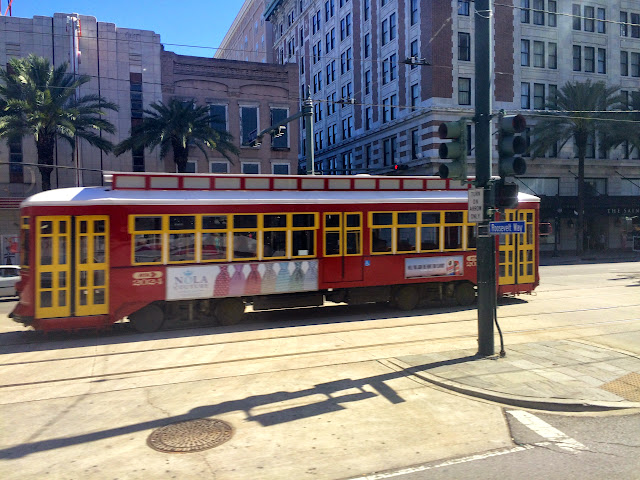
Getting from one side of town to the other is easy by NORTA, which includes both buses and streetcar lines. Three streetcar lines run down St. Charles Avenue, Canal Street, and on the Riverfront, which costs $1.25 each way, and you must have exact change.
Buses run all over the city and cost the same amount. The Jazzy Pass is the best way to pay for both buses and streetcars at $3 per day. There are also ferries that link up to go between Canal Street and Algiers for $2 each way.
PIN IT


Some of my activities in New Orleans were sponsored by the New Orleans Convention and Visitors Bureau and Louisiana Tourism, but all opinions are my own.


Leave a Reply